Protecting Your Home's Exterior for Wildfire Season: A Southern California Guide
If you own a home in the LA or Orange County foothills — or really anywhere near the wildland-urban interface — wildfire risk isn't abstract. And here's the part most homeowners get wrong: the majority of homes lost in California wildfires don't burn because a wall of flame rolls over them. They ignite from windblown embers that land on, in, or against the house hours before the fire front even arrives. That's actually good news, because embers are something you can defend against.
Hardening your home's exterior is some of the highest-value work you can do in a fire-prone area. Here's where it matters most, roughly in order of impact.
Your roof is the number-one priority
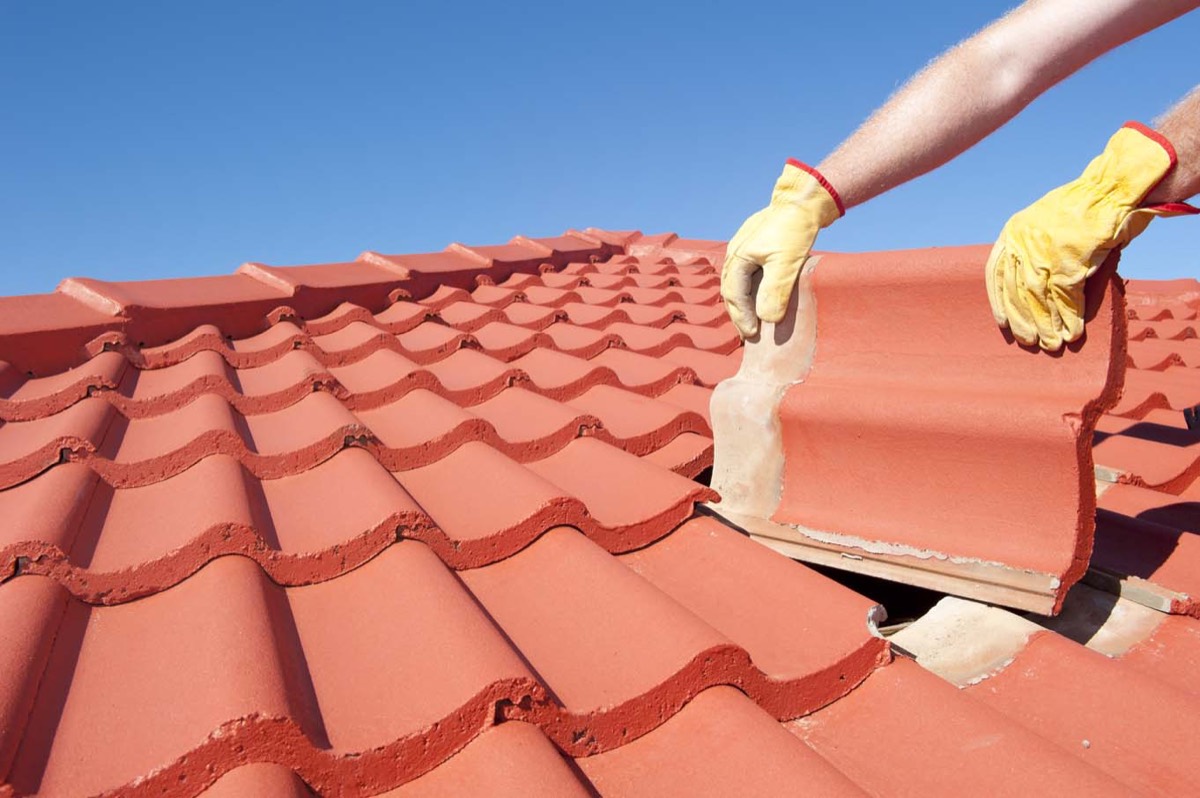
The roof is the largest, most exposed surface on your home and the most common place for embers to collect and ignite. If your roof isn't rated Class A — the highest fire-resistance rating — it's the first thing to address. Concrete and clay tile, asphalt composition shingles rated Class A, and standing-seam metal all qualify.
On tile roofs especially, don't stop at the tiles themselves. Embers blow up under the tiles at the eaves and ridges and ignite the underlayment or debris underneath. Bird-stopping those openings and using a fire-rated underlayment matters as much as the tile rating. Keep the roof and gutters clear of leaves and needles — that dry debris is ember fuel sitting on your most vulnerable surface.
Vents are the hidden entry point
Attic and crawlspace vents are designed to let air in — which means they can let embers in too. Embers that get into the attic land on insulation and stored items and burn the house from the inside out, often undetected until it's too late.
California's building code (Chapter 7A, for homes in designated fire zones) requires ember- and flame-resistant vents for new construction in those areas, but most older homes still have standard vents. Retrofitting with code-compliant, ember-resistant vents — or vents with fine corrosion-resistant mesh — is a relatively inexpensive upgrade with an outsized payoff.
Exterior walls, stucco, and siding
Stucco is one of the better exterior wall materials for fire resistance — a properly applied stucco wall gives embers very little to ignite. If you have wood or vinyl siding, that's a bigger vulnerability, especially near the ground and around windows. Cracks and gaps in stucco or around penetrations should be sealed; embers exploit any opening.
When we repaint or re-stucco a home in a fire area, we pay attention to these details — sealing gaps, addressing the lowest courses of siding, and making sure the wall system doesn't give embers an easy foothold.
Windows, eaves, and the first five feet
- Windows: radiant heat can crack single-pane glass and let fire in. Dual-pane (especially with one tempered pane) holds up far better.
- Eaves and soffits: open or vented eaves can trap rising embers and heat — boxed-in, enclosed eaves perform better.
- The 'home ignition zone': the five feet immediately around your house should be the most defensible — no bark mulch, no firewood stacked against the wall, no flammable plants right under the eaves. This 'zone zero' is where many homes are saved or lost.
Where to start
If you do nothing else: confirm your roof is Class A, retrofit your vents, and clear the five feet around your home. Those three steps address the most common ways embers take hold.
A1 Builders works on roofing, stucco, and exterior projects across the LA and OC foothills, and we factor fire-hardening into the work. If you're not sure where your home's weak points are, reach out for a free exterior assessment — we'll walk it with you and give you an honest, prioritized list.
Related services
See how our process works, browse recent projects, and get a free estimate.