How Much Does a New Roof Cost in Los Angeles & Orange County?
A new roof is one of the largest single investments a homeowner makes in their property, so it's no surprise that the first question we hear is almost always about cost. The honest answer is that it varies — a lot — and anyone who quotes you a firm price over the phone without seeing your roof is guessing. But you can absolutely understand what drives the number, what a fair range looks like in our area, and how to spot a bid that's too good to be true.
What you're actually paying for
A roof replacement isn't just the shingles or tiles you see. The price reflects tear-off and disposal of the old roof, the underlayment and flashing that do the real waterproofing, the labor of a skilled crew, permits and inspections, and the cleanup. On older homes, it can also include repairs to the decking underneath once the old roof comes off — which you often can't fully see until the work begins.
The biggest cost drivers
- Square footage and roof pitch — bigger and steeper roofs cost more in both material and labor.
- Material: asphalt shingle is the budget-friendly option; clay or concrete tile costs more and weighs more.
- Roof complexity: valleys, dormers, skylights, and multiple levels add labor and flashing work.
- Tear-off vs. overlay, and how many existing layers have to come off.
- The condition of the decking once exposed — rotten or damaged sheathing has to be replaced.
- Permit fees, which vary by city across LA and Orange County.
Shingle vs. tile, and why the gap
Asphalt shingle roofs are the most affordable to install and go on quickly, which keeps labor down. Clay and concrete tile cost significantly more — the material is pricier, heavier, and slower to install, and your home's structure has to be able to carry the weight. The trade-off is lifespan: a quality tile roof can last 50 years or more, while shingles typically run 20–25 in our sun. Spreading the cost over the life of the roof narrows the gap more than the upfront sticker suggests.
The tile-roof exception worth knowing
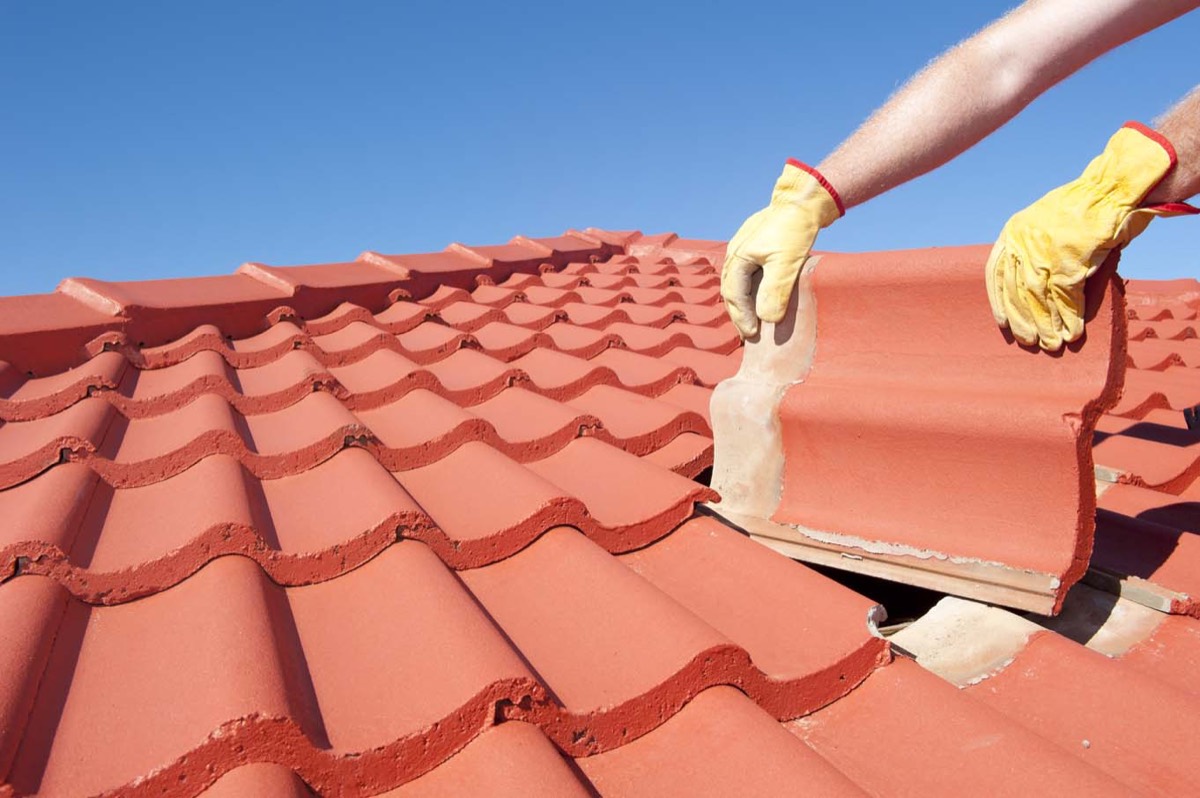
Here's something that saves SoCal homeowners real money: on many older tile roofs, the tiles themselves are still in good shape — it's the underlayment beneath them that has failed. In that case you often don't need all-new tile. A 'lift and re-lay' (also called a tile reset) removes the existing tile, installs fresh underlayment and flashing, and puts the original tile back. It costs far less than a full tile replacement and gets you decades more life. If a contractor insists on tearing off perfectly good tile, ask why.
Hidden costs to budget for
The most common surprise is decking repair. Once the old roof is off, any rotted or water-damaged plywood underneath has to be replaced before the new roof goes on — it's not optional, and it's usually not fully knowable until tear-off. A reputable contractor will tell you their per-sheet rate for decking replacement up front so there's no sticker shock mid-job. Other variables include upgraded ventilation, new flashing around chimneys and skylights, and bringing an older roof up to current code.
Why the cheapest bid often costs the most
A rock-bottom roofing bid usually means corners are being cut somewhere you can't see: thin or cheap underlayment, reused flashing, skipped permits, or unlicensed labor. A roof that's installed wrong leaks, and water damage costs far more than the money you saved. The goal isn't the lowest number — it's a fair price for work that's done correctly, permitted, and warrantied.
Get a real number for your roof
The only way to know what your roof will cost is a proper inspection and a written, itemized proposal. A1 Builders offers free, honest roof inspections across LA and Orange County — we'll tell you whether you need a repair, a reset, or a full replacement, and give you a fixed-price proposal with no pressure. Reach out and we'll get you on the calendar.
Thinking about roofing?
See how our process works, browse recent projects, and get a free estimate.